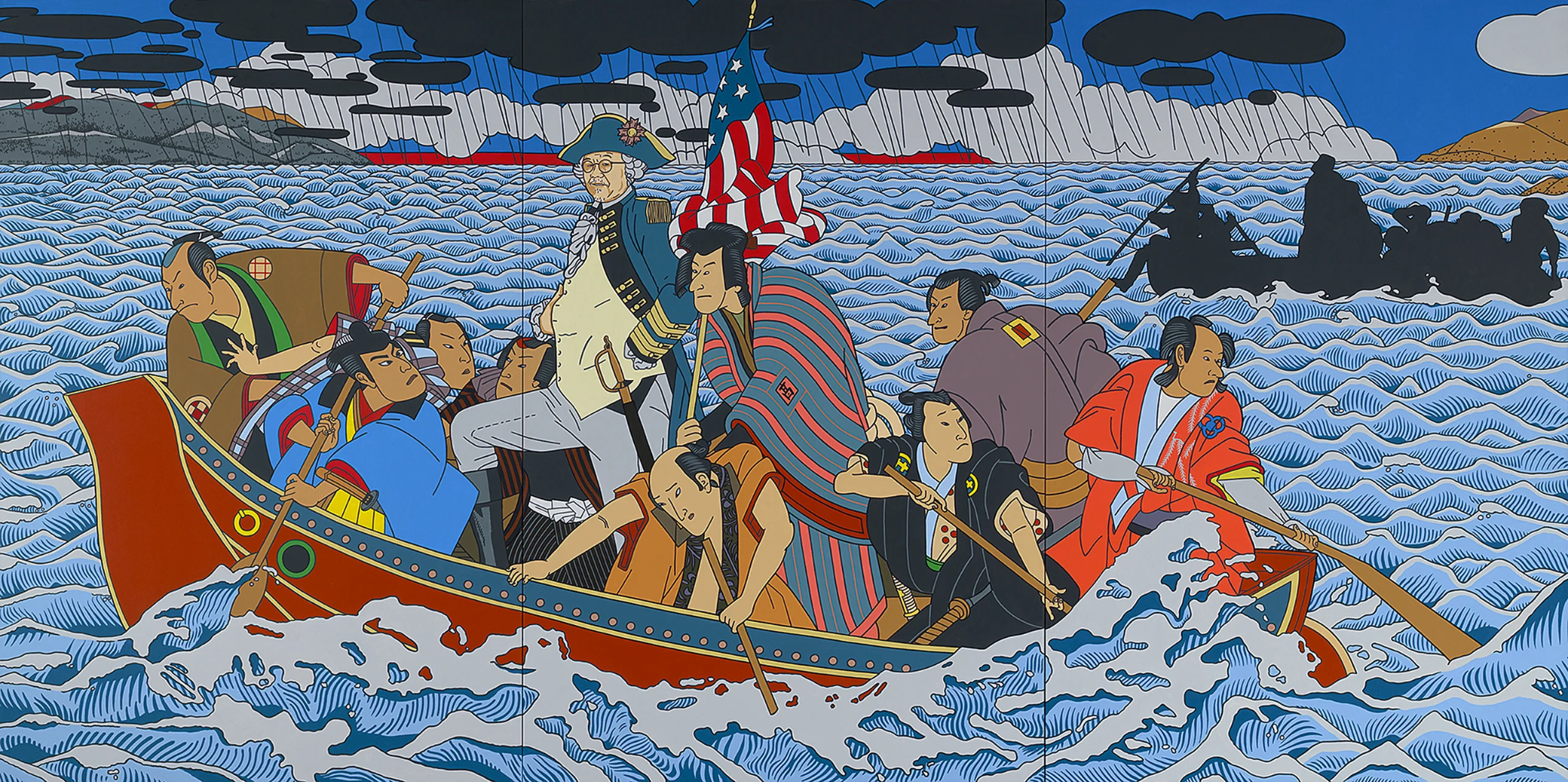
Myths are powerful stories that help people explain who they are and where they belong, but they can leave important people and experiences out. Takaki challenges a story that treats white Americans as the main characters and makes other Americans seem like outsiders. To find your own myth, consider a story you have learned about yourself or your community and ask what it explains—and what it misses.
The national example shows what stories do; your personal myth must connect your own story to a concrete choice.
EVIDENCE & WRITING SUPPORT
How do myths work and what is mine?
Evidence, facts & appositives+
Chapter 1 offers a case for examining national myths. It does not identify your personal myth; that part requires your own reflection, supported by a concrete example.
One possible quote
The Master Narrative is a powerful story, and a popular one.
What it can show Use the Master Narrative as one example of a widely repeated story shaping identity; choose your own example and examine what it includes or omits.
Facts & context
Takaki describes the Master Narrative as embedded in scholarship, culture, and the ways people teach and discuss American history.
Every one of these questions will be on the reading quiz.
This check uses Chapter 1’s national-story question and its YPT connections; bring your personal myth work from class.
Complete the explanation.
A national story can include some experiences and others. Takaki challenges the by bringing more people’s lives into view. A story becomes a source of when it makes an unequal arrangement appear natural or deserved. To examine a myth, compare its claims with and ask whose interests it serves. A different account can change how we understand .