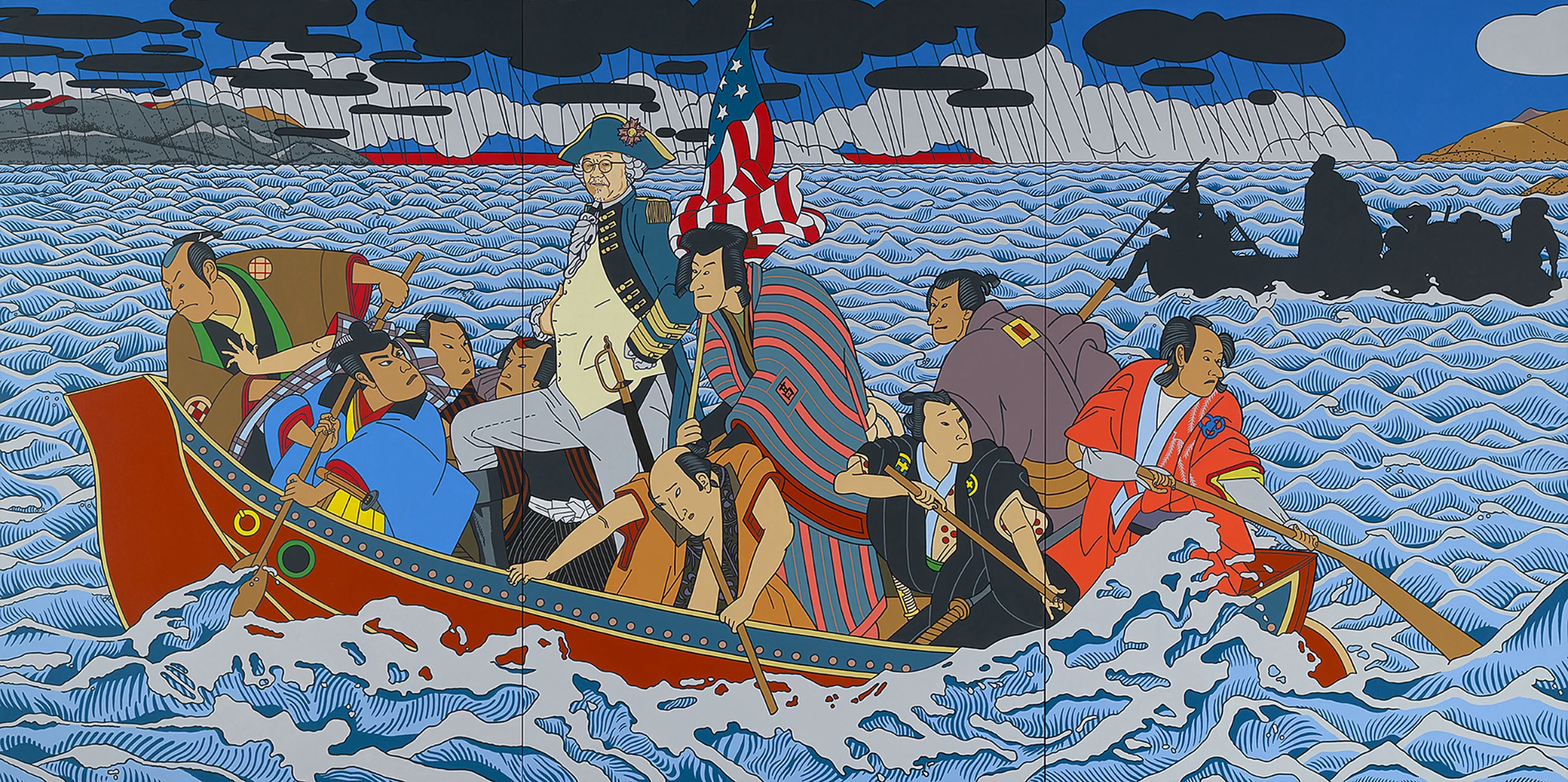
We will study how people from many backgrounds shaped American history, including how money, work, and beliefs about race affected their lives. We will read Takaki, examine historical documents, and ask what happened, why it happened, what people were thinking, and how we judge their actions. Each week, we will use evidence and new vocabulary to explain what we have learned in an Aim Response.
Leave with: Explain a relationship and study the words that help you name it.
Use your notes and the three Key Ideas to explain why the evidence matters.
03 / WRITE
Write
Leave with: Plan a claim, choose evidence, explain it, and connect a Key Idea.
In your notebook
From reading to an argument
Our weekly work
We read Takaki and collect evidence in our notebooks.
We practice the week’s academic vocabulary.
↓gives us material to think with
The four questions organize events, motives, causes, and judgments.
↓turns collected facts into explanations
Friday’s Aim Response uses evidence and words to explain a historical argument.
Course syllabus: reading and vocabulary supply the material; the four questions help turn it into understanding.
EVIDENCE & WRITING SUPPORT
What and how are we going to learn?
Evidence, facts & appositives+
This foundation aim is supported by the course syllabus; no syllabus page numbers are supplied.
One possible quote
Memorizing facts is the beginning; understanding what happened, why, what people were thinking, and what we think of it is the goal.
Course syllabus, “What will our reading focus on?”Course syllabus
What it can show Use the syllabus’s stated goal to distinguish remembering information from explaining causes, considering motives, and making reasoned judgments.
Facts & context
The course reads A Different Mirror alongside the syllabus, historical documents, and ACT practice at designated points in the year.
Course syllabus
The three Key Ideas connect chapter details to economic forces, the social construction of race, and the power of ideas.
Course syllabus
The four questions organize description, cause, motive, and ethics; Friday writing draws on the reading and the week’s academic vocabulary.
Course syllabus
Sample appositives
The bold phrase renames the noun. Continue with your own main clause.
A Different Mirror, Ronald Takaki’s account of ethnic experiences in American history,…
Course syllabus
the 4 Questions, the course framework for description, cause, motive, and ethics,…
Course syllabus
the Aim Response, the weekly paragraph using assigned reading and academic vocabulary,…
Course syllabus
04 / CHECK
Check
Leave with: Check understanding, then improve one part of your answer.
Check your response
Find your answer to the aim, the evidence behind it, and the explanation of what that evidence shows.
Every one of these questions will be on the reading quiz.
This check uses the supplied syllabus model and the site’s writing rubric.
Complete the explanation.
Our is to learn history and become stronger readers and writers. Reading aloud gives us practice with a text. Vocabulary study helps us understand . We collect words, evidence, and ideas in a so they are available when we write. An aim response uses that evidence to build a connected . The for practice is that each routine strengthens the next.