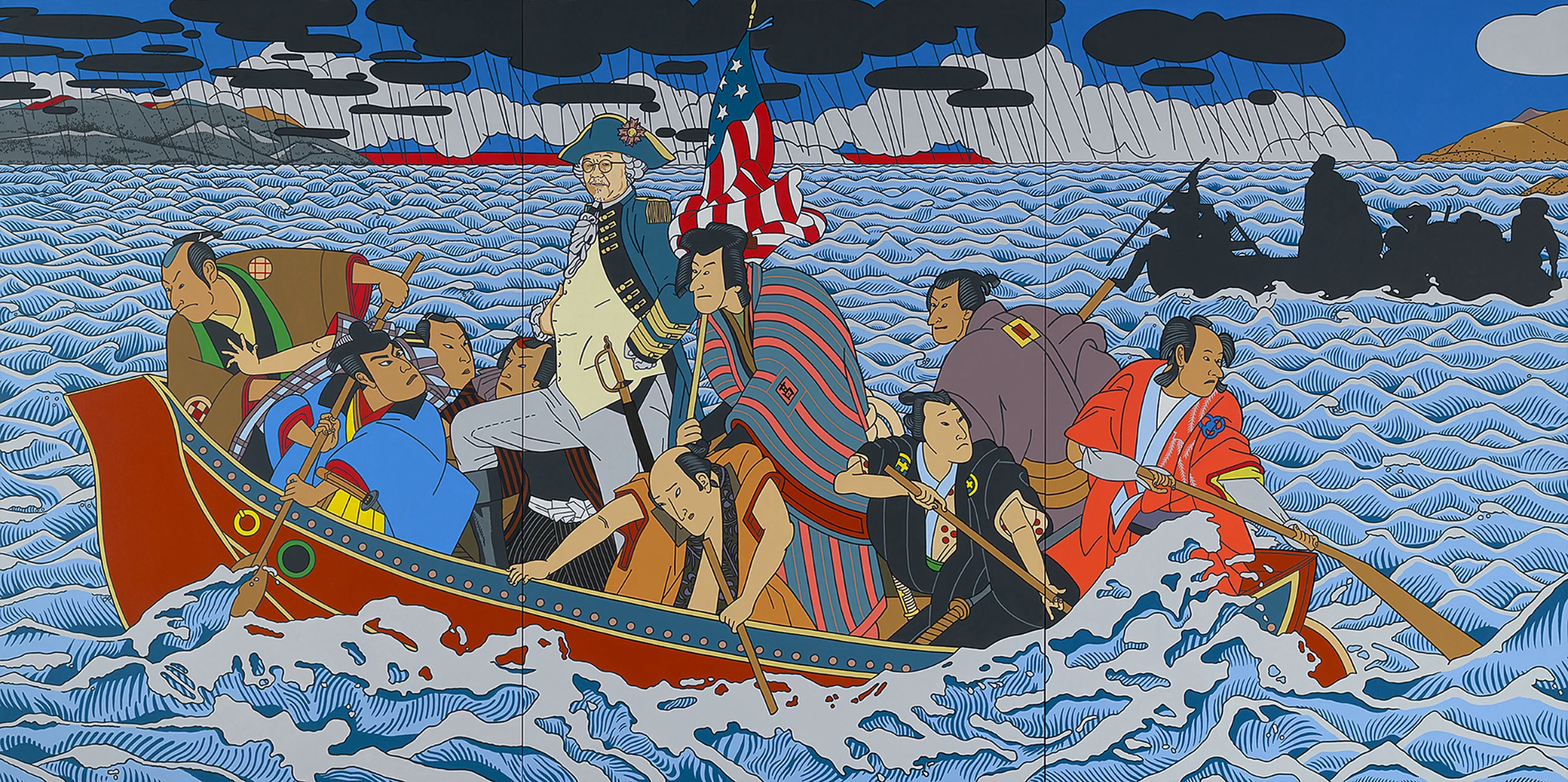
How can the history we choose to tell influence the kind of democracy we try to build?
Gist response
Takaki argues that America’s history is the history of many peoples whose lives have always intersected. Excluded groups helped build the country and organized to change its laws and institutions. An inclusive account of that past can challenge narrow ideas of who belongs while recognizing both hard-won victories and unfinished struggles.
Takaki argues that accounts of the past influence how people understand membership in the nation. The claim asks readers to connect what is taught with who is recognized as part of the country.
What specific story from the course would change if an excluded group’s perspective were included?
Treat histories as connected
“Their lives and cultures have swirled together in the settling and building of America from the first meeting of Powhatans and English on the Virginia shore to the last Mexican immigrants crossing the border.”
The chapter presents groups’ histories as intersecting rather than isolated. Use a concrete encounter, alliance, or conflict to demonstrate the connection.
Which event in the course cannot be explained adequately through only one group’s experience?
Challenge an identity imposed from outside
“To say he is 100 percent black is to deny his heritage.”
Kultida Woods speaking about Tiger Woods, quoted by Takaki · OPT 437
Woods challenges a label that erases part of her son’s family background. Her statement exposes the difference between an identity imposed by others and the ancestry a person or family recognizes.
Who gains the power to define belonging when one label is treated as the whole identity?
Connect victories with unfinished struggle
“While their struggle must continue, they have won a multitude of victories”
Takaki describes both institutional gains and the need for continued action. A final synthesis can recognize progress while asking how far a particular change extended.
Choose one victory: what action produced it, and what limitation remained?
Connect a Key Idea
Ideas are weapons
The Master Narrative and an inclusive history offer competing explanations of who made America and who belongs; Takaki asks readers to examine their consequences.
Family accounts and imposed racial labels can conflict, showing that racial identity is interpreted through social conventions rather than simply read from ancestry.
The conclusion recalls shared labor in fields, mills, railroads, and factories. Use earlier chapter evidence to explain how work connected groups through both conflict and cooperation.
Takaki argues that accounts of the past influence how people understand membership in the nation. The claim asks readers to connect what is taught with who is recognized as part of the country.
What specific story from the course would change if an excluded group’s perspective were included?
Connect victories with unfinished struggle
“While their struggle must continue, they have won a multitude of victories”
Takaki describes both institutional gains and the need for continued action. A final synthesis can recognize progress while asking how far a particular change extended.
Choose one victory: what action produced it, and what limitation remained?